



новини

Щотижня у нас 20-25 нових пісень — виконавчий продюсер Радіо Промінь Максим Яковенко

Між Туском і Качинським нічия ― Желіховський про місцеві вибори у Польщі
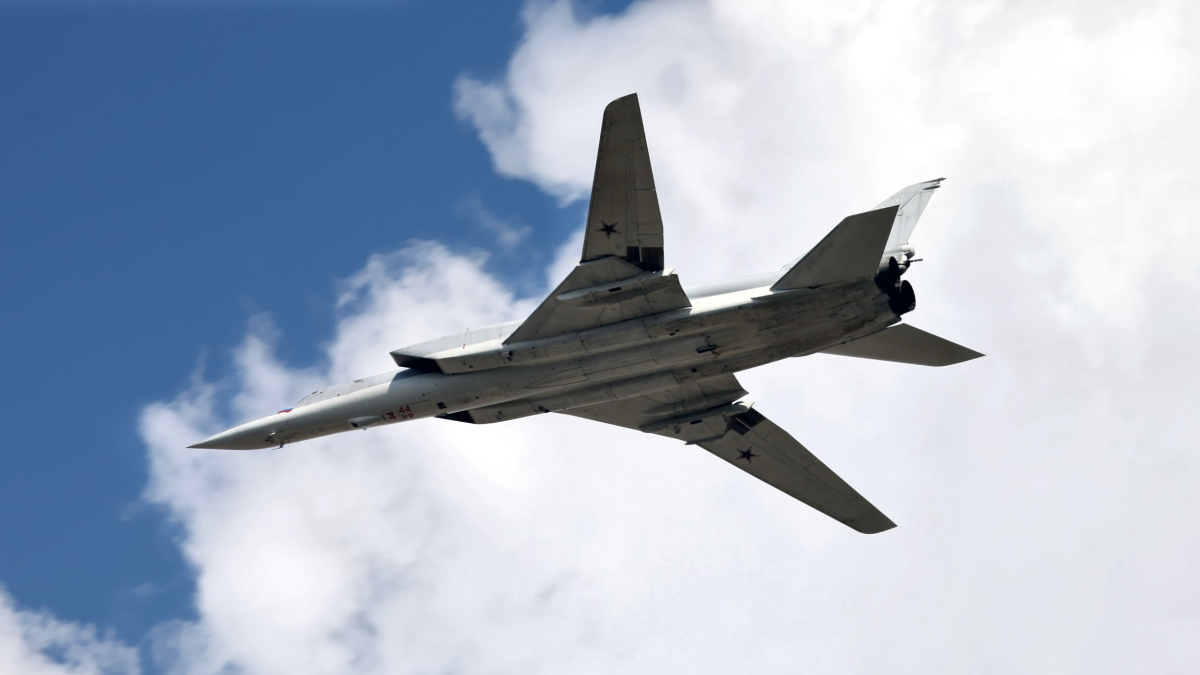
Росія не здатна замінити збитий Ту-22М3 — генерал Романенко
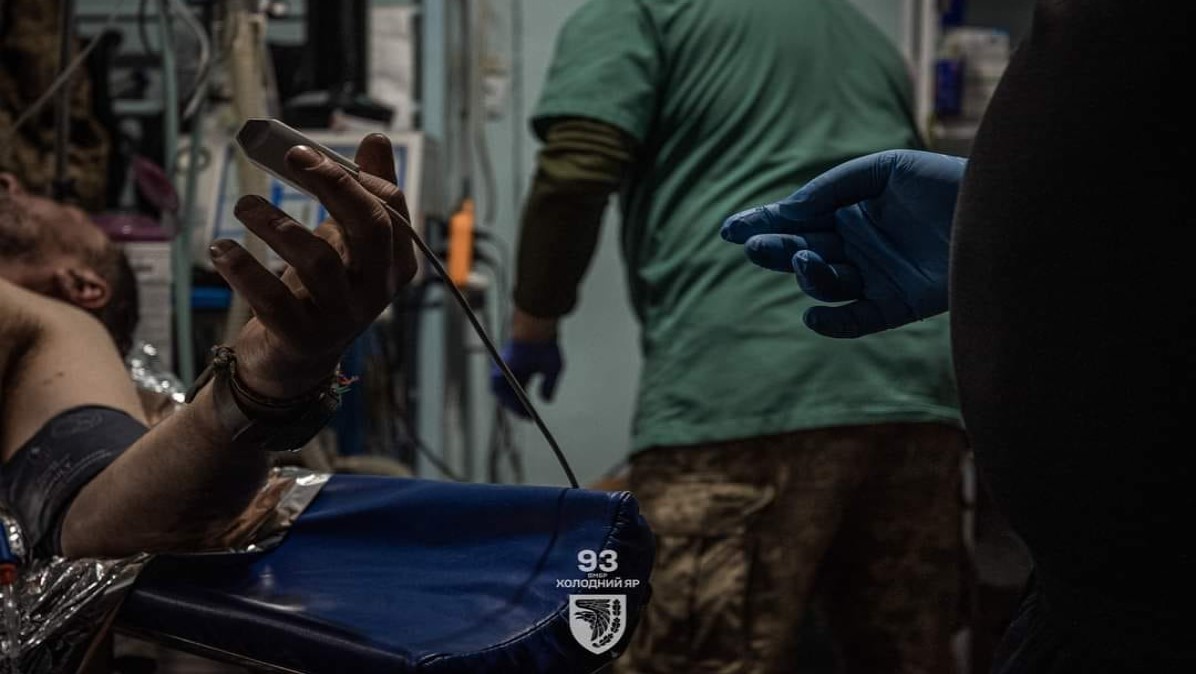
Половину загиблих воїнів можна було врятувати своєчасним переливанням крові — Медведєв
Щотижня у нас 20-25 нових пісень — виконавчий продюсер Радіо Промінь Максим Яковенко
22.04.2024

Військове кладовище почнуть будувати у середині червня – в.о. Міністра у справах ветеранів
19.04.2024
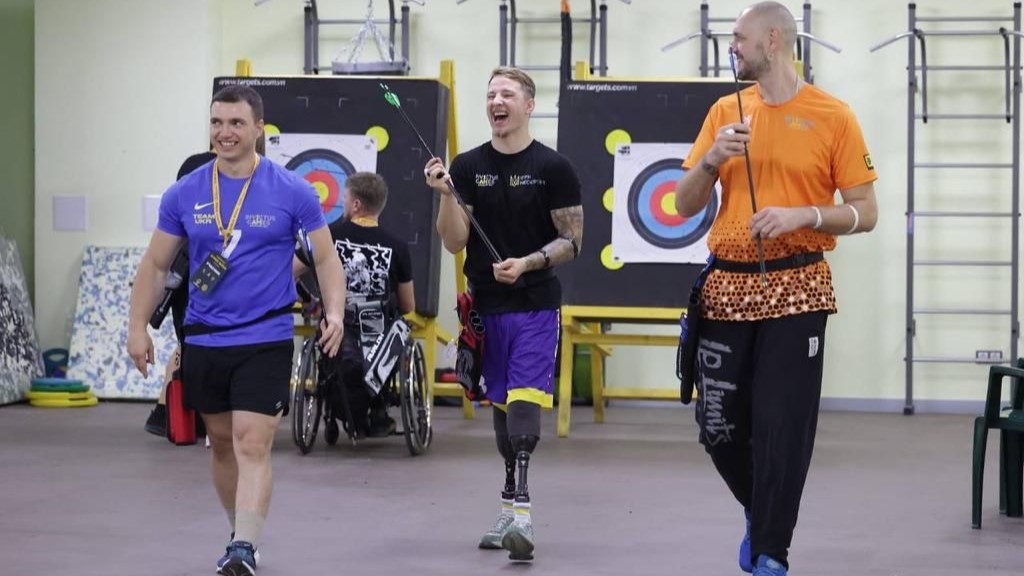
"Єдині вікна" у ЦНАПах, єКабінет, реабілітація та інструменти для розвитку – Порхун про нову ветеранську політику
19.04.2024
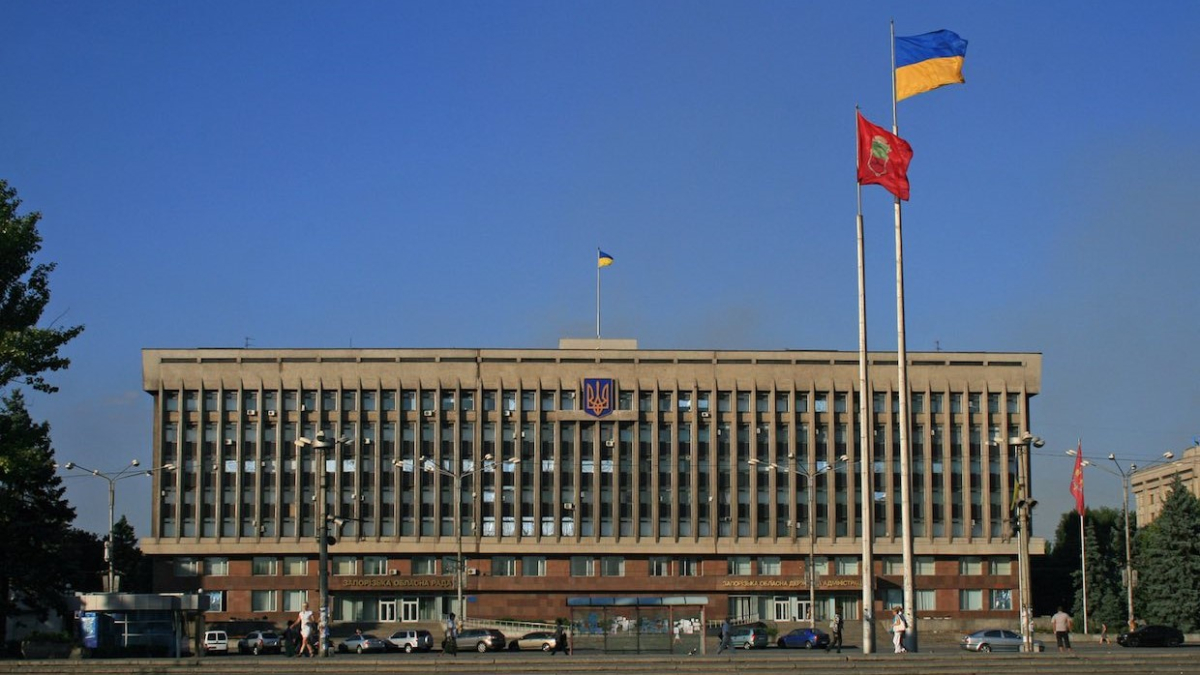
На Запоріжжі знайшли притулок 228,5 тисяч ВПО – Мироненко
18.04.2024
Між Туском і Качинським нічия ― Желіховський про місцеві вибори у Польщі
22.04.2024
Закон США про допомогу Україні передбачає фінансування і наступного року ― Гарань
21.04.2024

Нова допомога від США може надійти в Україну вже наступного тижня — Моцик
20.04.2024
Збиття російських ракет в українському небі для правомірного захисту не є нападом на РФ ― Гопко
18.04.2024
Курс гривні коливається. Але потрошку — Крамаренко
20.04.2024

У межах Чорного моря має активніше діяти НАТО — Риженко
19.04.2024

Поки триває війна, логістика буде постійним викликом – Тарас Висоцький
19.04.2024
Непран: Після війни Україна матиме грошовитий експорт — продаж зброї
15.04.2024
Звільнення в ОП не вплинуть радикально на політичний курс ― Олещук
31.03.2024
Буде активізація роботи — Мусієнко про кадрові зміни в РНБО і СЗР
26.03.2024
Шуфрич на сьогодні залишається членом парламентського комітету зі свободи слова — Юрчишин
17.03.2024
Президент виконує обов’язки і за межами 5-річного строку, але не більше 10 років ― Магера
7.03.2024
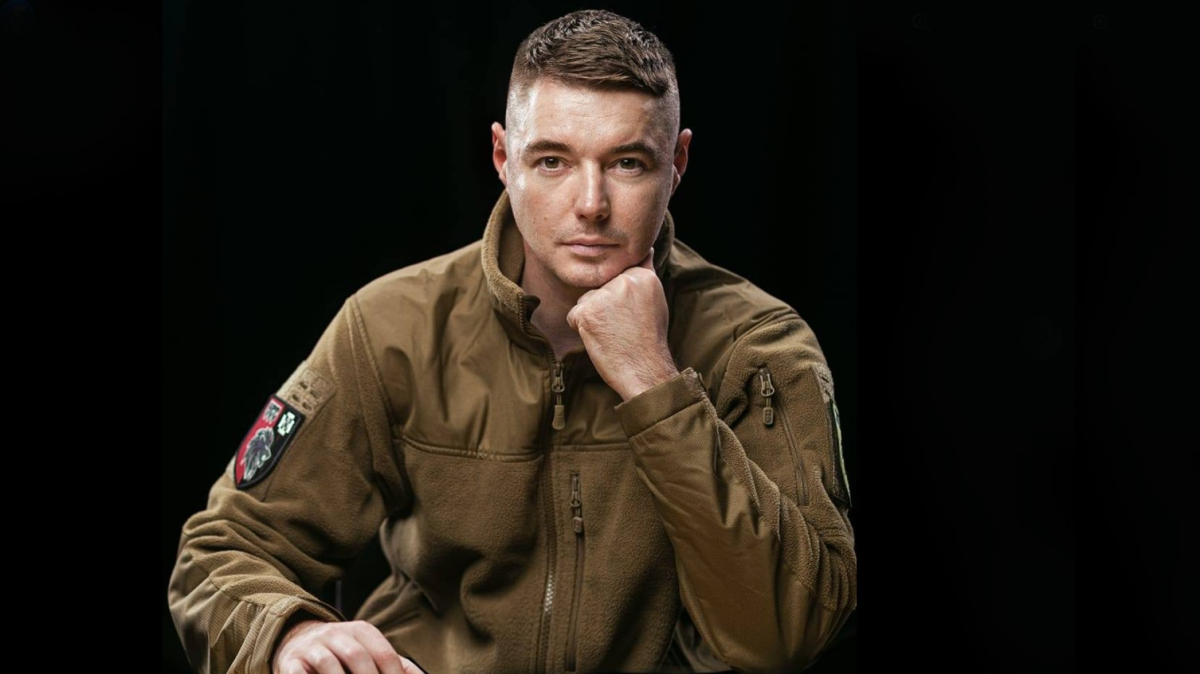
Не налаштованих воювати треба виявляти — офіцер ЗСУ Микола Мельник
22.04.2024
Росія не здатна замінити збитий Ту-22М3 — генерал Романенко
22.04.2024
Половину загиблих воїнів можна було врятувати своєчасним переливанням крові — Медведєв
22.04.2024
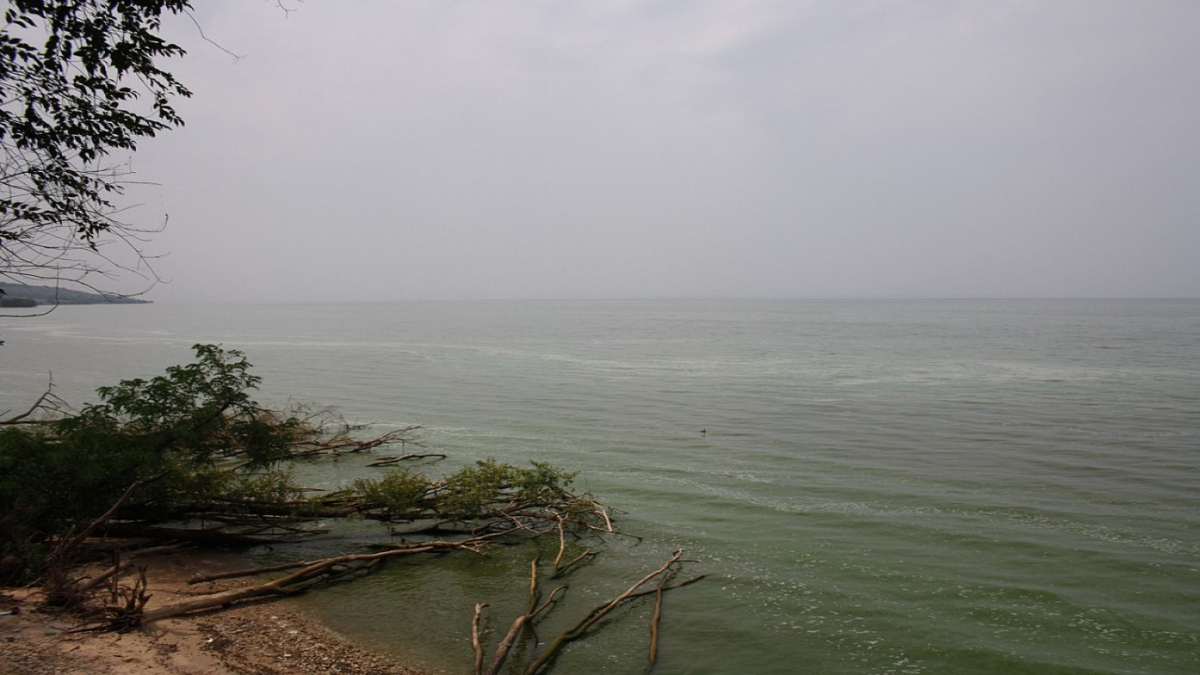
Збитки довкілля від війни значно більше 2-х трильйонів грн — Василюк
21.04.2024
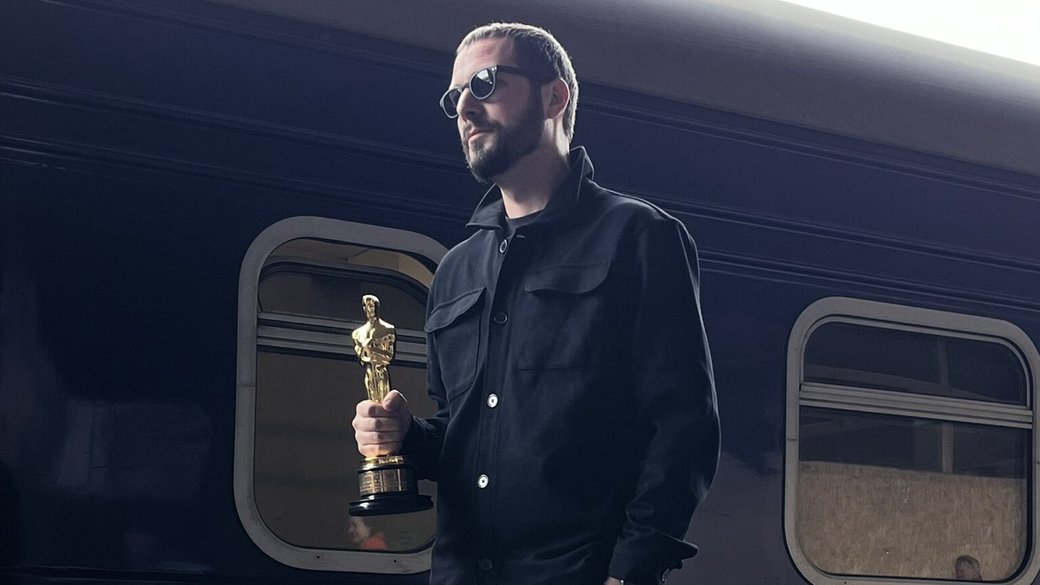
"Це не телешоу, не боротьба за популярність... Це реальні люди з реальними історіями", – Мстислав Чернов
19.04.2024
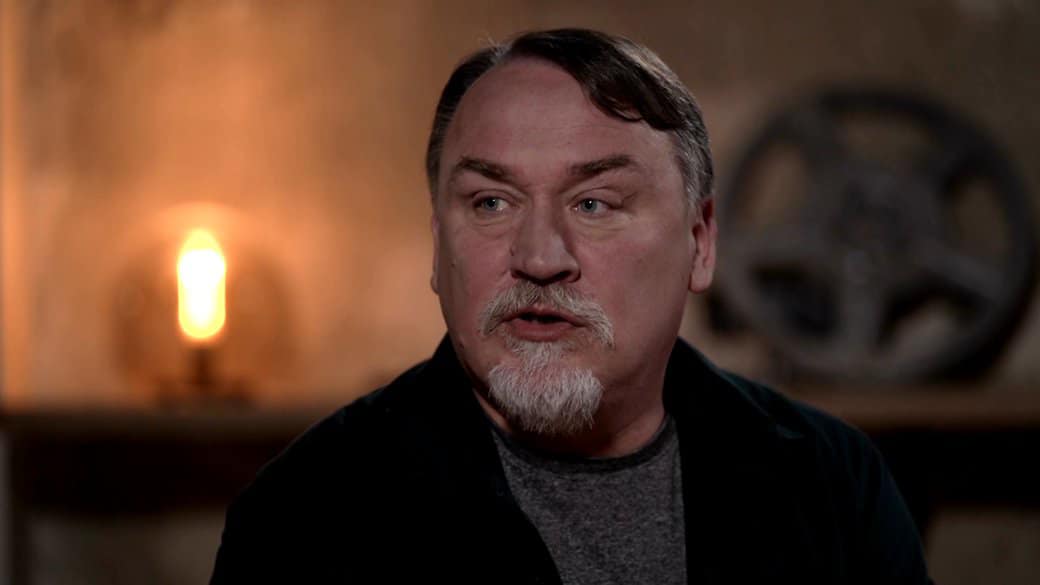
Пам'яті Дмитра Капранова
18.04.2024

"Національне журі голосує лише у фіналі" — Скибінська про Євробачення-2024
27.03.2024
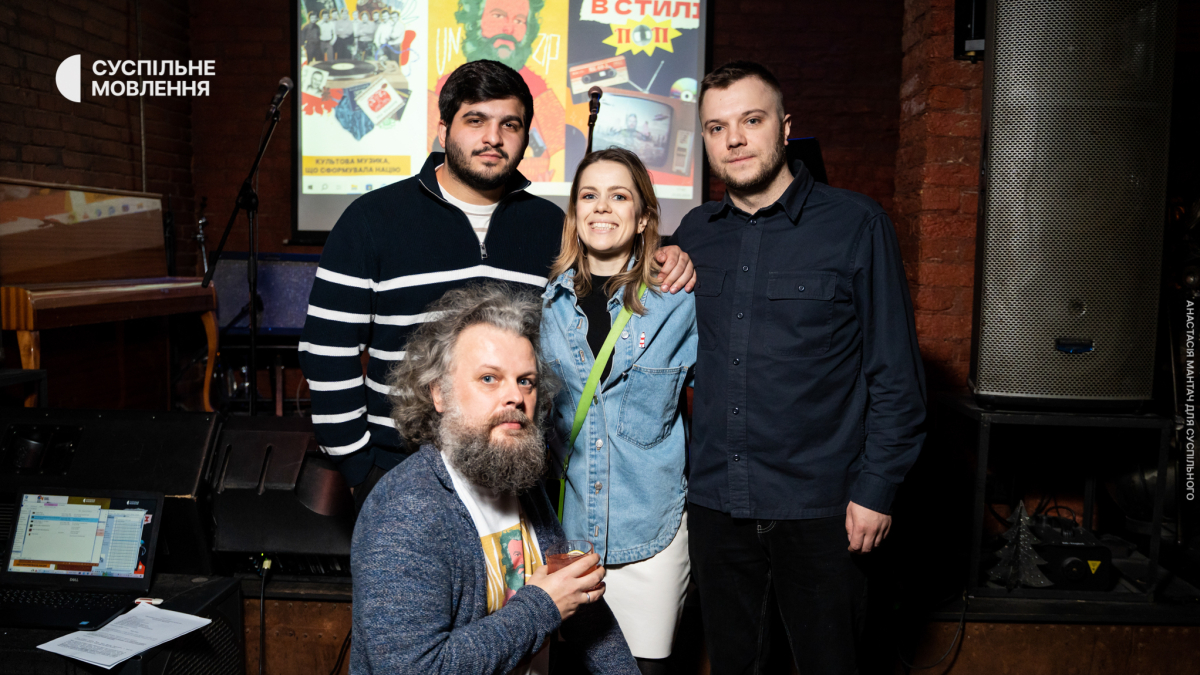
Відразу три проєкти Суспільне презентувало у Києві
27.03.2024
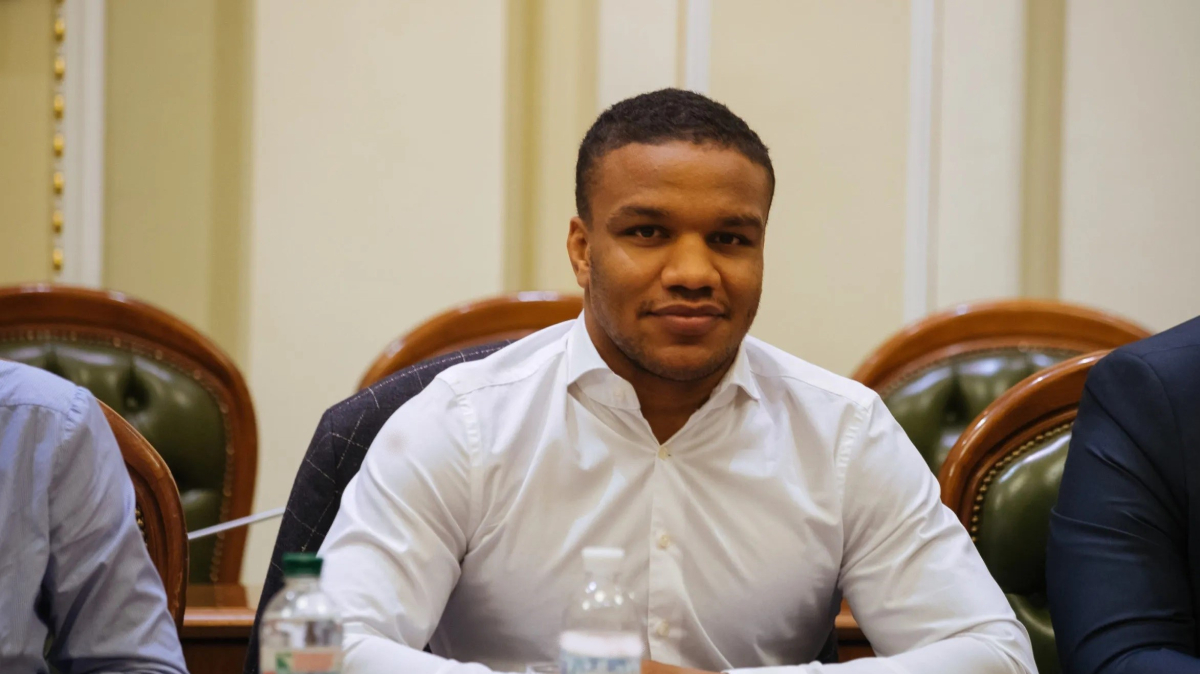
"Ми повинні їхати", — Беленюк про участь України в Олімпіаді-2024
1.01.2024

"Усіх забанити" — Кирило Крижановський про те, що робити з російськими спортсменами
14.10.2023

"Ігри нескорених — не про нагороди, це перемога над собою" — Олександр Маковей
18.09.2023
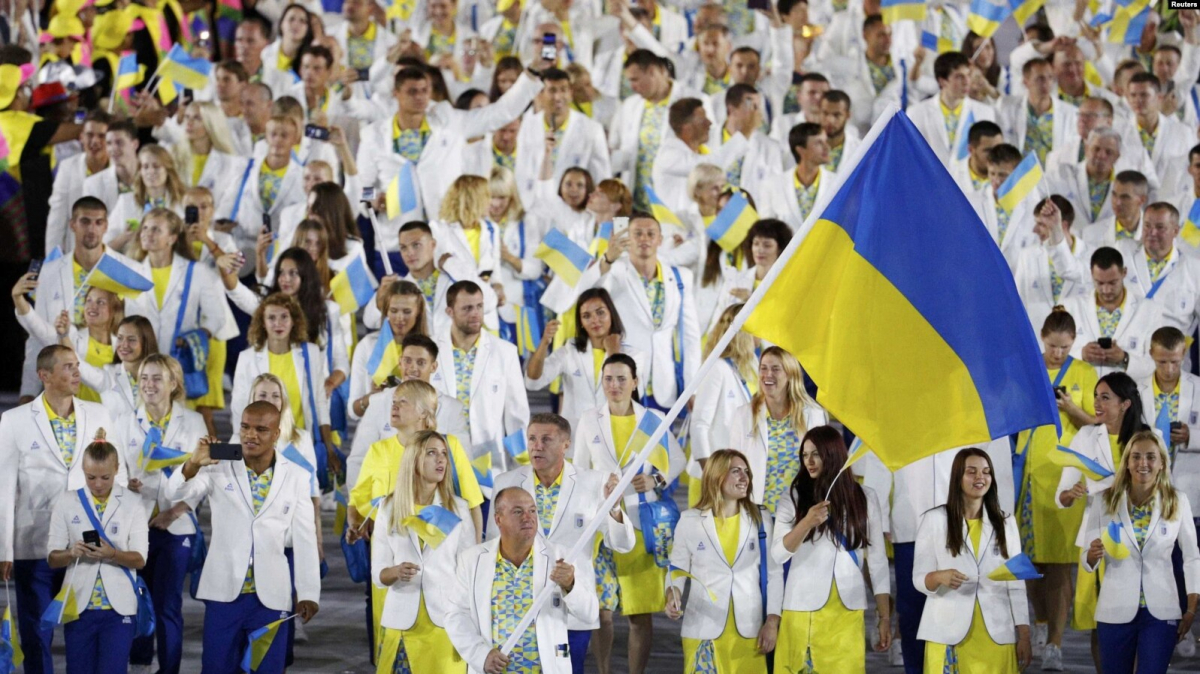
Україна може втратити покоління спортсменів — коментатор про бойкот Олімпіади-24
30.03.2023
Спецпроєкти